The proliferation of portable electronic devices has led to an increased demand for safe and reliable power sources. Lithium polymer batteries have emerged as a popular choice due to their high energy density and compact size. However, with this rise in usage comes the critical need for safety standards. IEC62133 certification stands at the forefront of ensuring lithium battery safety, providing consumers and manufacturers alike with peace of mind. Lithium polymer battery manufacturers play a crucial role in adhering to these standards, particularly when it comes to producing batteries for sensitive applications like GPS devices. The gps battery market, in particular, has seen a surge in demand for IEC62133 certified products, highlighting the importance of safety in modern portable technology.
Table of contents:
Understanding IEC62133 Standards for Lithium Ion Polymer Battery Safety
How Certified 3.7V Lithium Polymer Batteries Ensure Device Reliability
The Impact of Safety Certifications on Rechargeable Li-Ion Battery Quality
Mitigating Risks in IoT Devices with IEC62133 Approved Lithium Batteries
Understanding IEC62133 Standards for Lithium Ion Polymer Battery Safety
IEC62133 is a comprehensive safety standard that addresses the potential risks associated with lithium ion and lithium polymer batteries. This certification ensures that batteries meet strict requirements for safety, including protection against overcharging, short circuits, and thermal runaway. For lithium polymer battery manufacturers, compliance with IEC62133 involves rigorous testing procedures and quality control measures. These standards are particularly crucial for applications like GPS devices, where battery failure could lead to significant safety issues. A certified gps battery not only provides reliable power but also safeguards against potential hazards during use, storage, and transportation. By adhering to IEC62133, manufacturers demonstrate their commitment to producing batteries that are safe for consumer use across a wide range of devices and environments.
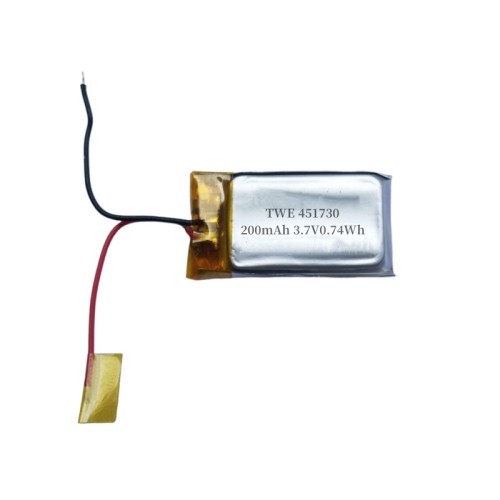
How Certified 3.7V Lithium Polymer Batteries Ensure Device Reliability
The 3.7V lithium polymer battery has become a staple in many portable electronic devices, offering an ideal balance of size, weight, and power capacity. When these batteries are IEC62133 certified, they provide an additional layer of reliability crucial for device performance. Lithium polymer battery manufacturers who produce certified 3.7V batteries ensure that their products can withstand various operational stresses without compromising safety. This is particularly important for gps battery applications, where consistent and reliable power is essential for accurate navigation and tracking. The certification process for these batteries includes tests for electrical, mechanical, and environmental factors, ensuring that they can perform safely under a wide range of conditions. This rigorous testing translates to enhanced device reliability, longer operational life, and increased user confidence in the products powered by these certified batteries.
The Impact of Safety Certifications on Rechargeable Li-Ion Battery Quality
Safety certifications like IEC62133 have a profound impact on the overall quality of rechargeable lithium-ion batteries. For lithium polymer battery manufacturers, these certifications drive continuous improvement in battery design, manufacturing processes, and quality control. The stringent requirements of IEC62133 push manufacturers to invest in advanced technologies and materials, resulting in batteries that are not only safer but also more efficient and durable. This is particularly evident in the gps battery market, where the demand for high-performance, long-lasting batteries is met with products that have undergone rigorous safety testing. The certification process also encourages manufacturers to implement robust quality management systems, ensuring consistency in production and reducing the likelihood of defects or safety issues. As a result, consumers benefit from higher quality batteries that offer improved performance and peace of mind.
Mitigating Risks in IoT Devices with IEC62133 Approved Lithium Batteries
The Internet of Things (IoT) has revolutionized how we interact with technology, but it also introduces new safety considerations, especially regarding power sources. IEC62133 approved lithium batteries play a crucial role in mitigating risks associated with IoT devices. Lithium polymer battery manufacturers who specialize in IoT applications understand the importance of producing batteries that can operate safely in diverse environments. From smart home devices to industrial sensors, these certified batteries ensure that IoT networks remain reliable and secure. The gps battery segment within IoT, for instance, benefits greatly from IEC62133 certification, as these devices often operate in challenging conditions and require dependable power sources. By using approved batteries, IoT device manufacturers can reduce the risk of power-related failures, enhance device longevity, and protect users from potential safety hazards associated with battery malfunction.
The significance of IEC62133 certification in the lithium battery industry cannot be overstated. This standard serves as a cornerstone for safety and reliability in portable electronic devices. Lithium polymer battery manufacturers who prioritize this certification demonstrate their commitment to product excellence and user safety. From powering everyday gadgets to ensuring the functionality of critical gps battery applications, IEC62133 certified batteries play an indispensable role in our technology-driven world. As the demand for safer, more efficient power sources continues to grow, the importance of these safety standards will only increase, driving innovation and quality in the battery industry for years to come.