In an electrified world, batteries are the silent engines of progress, powering everything from professional-grade power tools to city-wide energy storage systems. As reliance on this technology grows, the conversation is shifting from mere performance metrics to a far more critical factor: safety. A battery failure can lead to catastrophic equipment damage, operational downtime, and significant safety risks for users. For businesses, the choice of a reliable Li-ion cell manufacturer is paramount, as it directly impacts product reputation, liability, and customer trust. This analysis dives deep into the safety architecture of two prominent battery solutions: the Topwellpower 3.7V 5500mAh 32600 cell and the highly regarded Lithium Werks 26650 cell, to determine which offers a more comprehensive safety profile for demanding applications.
Table of contents:
Product Overview: A Tale of Two Powerhouses
Battery Safety: A Comparison of Design and Technology
The Role of the Battery Management System (BMS)
Materials and Structural Safety
Performance and Safety in Extreme Temperatures
Frequently Asked Questions (FAQ)
Conclusion: A Verdict on Comprehensive Safety
Product Overview: A Tale of Two Powerhouses
To understand their safety features, we must first look at the core specifications and intended uses of each battery.
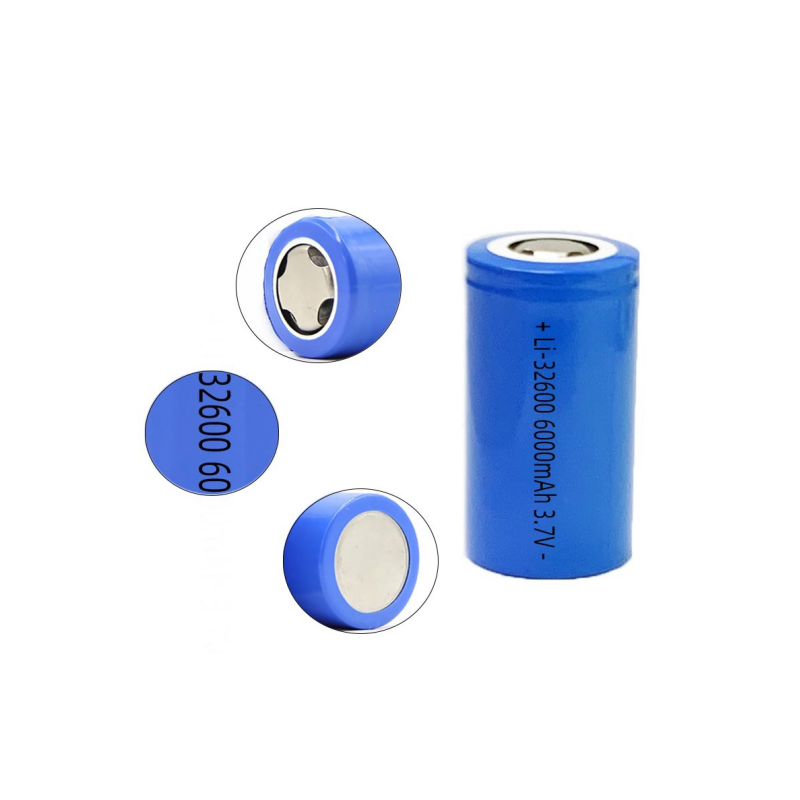
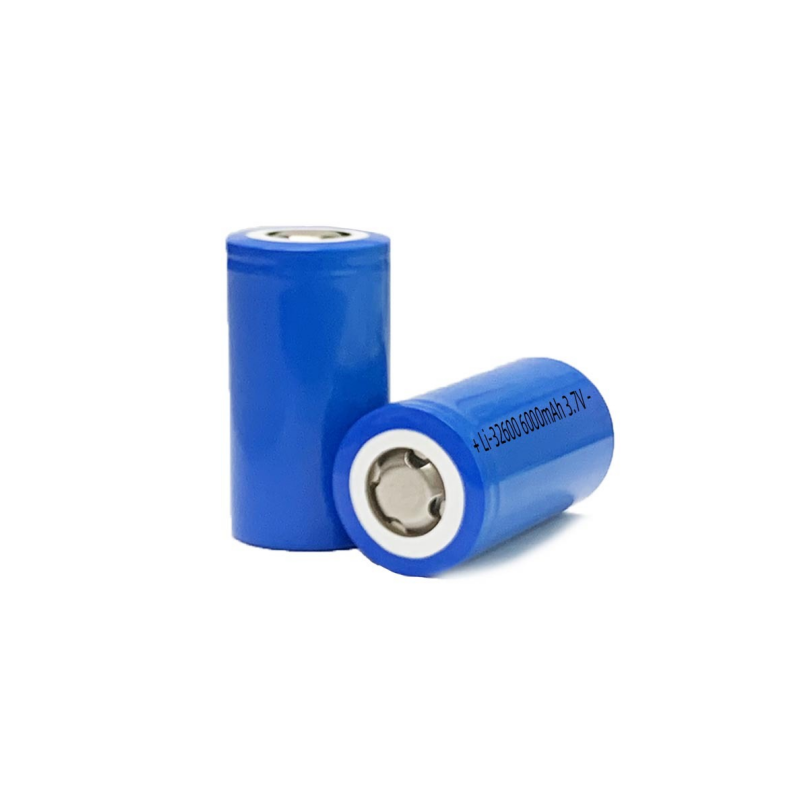
Topwellpower 3.7V 5500mAh 32600 Li-ion Cell
https://www.topwellpower.com/
The Topwellpower 32600 is a formidable lithium-ion cell designed for high-capacity and high-drain applications. With its 3.7V nominal voltage and a substantial 5500mAh capacity, it strikes an impressive balance between energy density and power output. This makes it an ideal candidate for electric vehicles (EVs), unmanned aerial vehicles (UAVs), high-performance power tools, and residential energy storage. Its primary technological advantages lie in achieving a high energy density within a robust cylindrical format, promising extended runtime and a long cycle life under rigorous use.
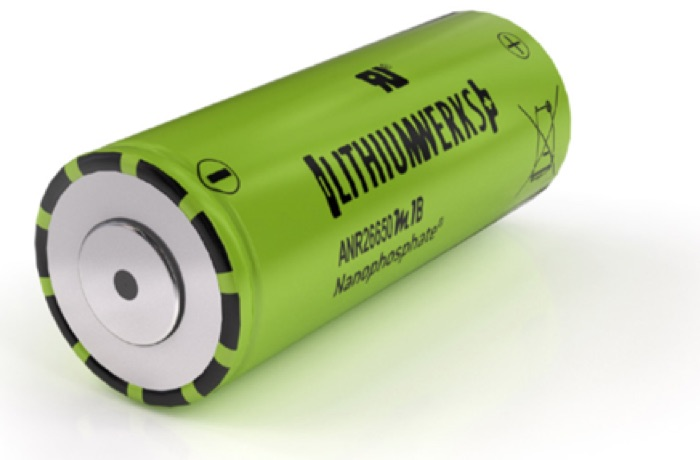
Lithium Werks 26650 Li-ion Cell
https://lithiumwerks.com/
Lithium Werks has built a strong reputation with its 26650 cells, particularly those utilizing Lithium Iron Phosphate (LFP or LiFePO4) chemistry. These cells are celebrated for their exceptional power delivery, thermal stability, and an extremely long cycle life. Their application sweet spot includes industrial equipment, mission-critical medical devices, and military systems where reliability and safety under extreme abuse are non-negotiable. The key advantage of the Lithium Werks cell is its inherently stable chemistry, which is less prone to thermal runaway compared to other lithium-ion chemistries.
Battery Safety: A Comparison of Design and Technology
Safety is not a single feature but a multi-layered system. Here is how the two cells stack up in fundamental safety design.
Battery Protection Circuit (BPC)
The first line of defense in any modern battery is its protection circuit. The Topwellpower 32600 cell is designed to be integrated into battery packs featuring an advanced BPC. This circuitry actively guards against common hazards like over-charging, which can cause overheating and cell damage; over-discharging, which can permanently reduce battery capacity and lifespan; and over-current, which can lead to dangerous temperature spikes during high-load operations. Topwellpower's approach ensures these protections are finely tuned to the specific characteristics of its 5500mAh cell, providing a seamless safety net for the end-user.
Lithium Werks cells, known for their ruggedness, are also designed to operate with protection circuits. However, their primary safety selling point is the stability of their LFP chemistry. While this is a significant advantage, reliance on chemistry alone may not be sufficient in complex applications where electronic oversight can prevent operational errors from escalating into safety incidents.
Short Circuit Protection and Temperature Control
A short circuit can cause a massive, uncontrolled release of energy. Topwellpower addresses this by incorporating features like Positive Temperature Coefficient (PTC) devices, which increase resistance dramatically when temperatures rise, effectively limiting the current. Furthermore, their cells are designed for integration with systems using NTC thermistors, allowing a Battery Management System to constantly monitor cell temperature and take preemptive action, such as reducing the charge or discharge rate, long before a critical threshold is reached.
Lithium Werks’ LFP chemistry gives it a superior advantage in thermal management, as the material is structurally stable at higher temperatures. This inherent resistance to thermal runaway is a core part of its safety value proposition. However, an external short circuit can still generate extreme heat, making active electronic monitoring a valuable secondary layer of defense that complements the cell's robust chemistry.
The Role of the Battery Management System (BMS)
If the BPC is a guard, the BMS is the intelligent command center.
Topwellpower’s Integrated BMS Philosophy
Topwellpower champions a holistic approach where the cell and the BMS work in perfect synergy. Their advanced BMS solutions provide real-time monitoring of critical parameters for every cell in a pack, including voltage, current, and temperature. This granular data allows the BMS to perform vital functions like cell balancing, ensuring all cells charge and discharge uniformly, which maximizes both the pack's lifespan and its safety. By predicting and preventing conditions like deep discharge or over-voltage at a systemic level, the BMS transforms the battery pack from a passive power source into a self-regulating, intelligent system.
Lithium Werks and BMS Integration
Lithium Werks produces world-class cells that are often integrated into custom packs by third-party designers who then add their own BMS. While the cells themselves are exceptionally safe, this approach can sometimes lead to a disconnect between the cell’s characteristics and the BMS’s programming. An integrated solution, where the cell manufacturer also provides a finely-tuned BMS, can often offer a more cohesive and reliable safety architecture, as the system is designed from the ground up to protect its specific components.
Materials and Structural Safety
The physical construction of a battery is its final defense against mechanical and thermal stress.
Topwellpower’s Material and Structural Choices
Topwellpower utilizes high-quality raw materials, including high-purity electrolytes and robust separators, to enhance internal stability. The cell is housed in a durable steel casing designed to withstand physical impacts. Critically, the structure includes safety features like a pressure relief vent. In the rare event of an internal pressure buildup, this vent allows gases to escape in a controlled manner, preventing a catastrophic rupture or explosion. This showcases a design philosophy that prepares for worst-case scenarios.
Lithium Werks’ Material Strengths
The primary material advantage for Lithium Werks is the LFP cathode. The phosphate-based material is fundamentally more stable than the cobalt or manganese oxides used in many high-energy cells. This chemical stability means it can endure more abuse without decomposing and releasing oxygen, a key ingredient in thermal runaway events. Their physical construction is also robust, built for industrial and military-grade applications where physical shock is a real possibility.
Performance and Safety in Extreme Temperatures
A battery’s safety is truly tested at the edges of its operating temperature range.
Topwellpower’s Temperature Management
The Topwellpower 32600, managed by an intelligent BMS, demonstrates excellent performance in both hot and cold conditions. In high temperatures, the BMS can throttle performance to prevent overheating. In cold weather, it can manage the charge and discharge rates to avoid lithium plating, a phenomenon that can cause permanent damage and create internal short circuits. This active management ensures both safety and longevity across diverse climates.
Lithium Werks’ Temperature Stability
LFP chemistry is renowned for its high-temperature performance, operating safely at temperatures that would be hazardous for other chemistries. This makes it an excellent choice for hot environments. However, LFP can experience a more pronounced performance drop in sub-zero temperatures compared to some other lithium-ion variants. While still safe, its ability to deliver power may be more limited in extreme cold without specialized heating systems.
Frequently Asked Questions (FAQ)
- What is the primary safety difference between Topwellpower's cell and a Lithium Werks LFP cell?
The main difference lies in the safety philosophy. Lithium Werks relies heavily on the inherent chemical stability of its LFP material, which is extremely resistant to thermal runaway. Topwellpower focuses on a comprehensive systems approach, combining high-quality materials with advanced electronic protections like a sophisticated BPC and an intelligent BMS to actively manage and prevent unsafe conditions in its high-energy-density cell.
- Why is an integrated Battery Management System (BMS) so important?
A BMS is the brain of a battery pack. It goes beyond simple protection by actively monitoring every cell, balancing their charge levels, and communicating with the device. This active oversight prevents the gradual degradation that leads to safety issues, extends the battery's usable life, and ensures the entire pack operates as a single, healthy unit.
- Does higher energy density, like in the Topwellpower cell, automatically mean lower safety?
Not necessarily. While higher energy density materials can be more volatile, this risk can be effectively mitigated with advanced engineering. Through robust structural design, high-quality materials, and a sophisticated BMS that keeps the cell within its safe operating window, a high-energy-density battery like Topwellpower’s can deliver superior performance without compromising on safety.
- For an application like a high-performance power tool, which is a better choice?
Both are strong candidates. A Lithium Werks cell offers exceptional power and abuse tolerance. However, the Topwellpower 32600 provides higher capacity, meaning longer runtimes, and its safety is ensured by an integrated electronic system designed to handle the high-current demands and rough usage typical for power tools, offering a complete and optimized power and safety solution.
Conclusion: A Verdict on Comprehensive Safety
Both Lithium Werks and Topwellpower offer exceptionally safe and reliable products. Lithium Werks builds its safety on the bedrock of its inherently stable LFP chemistry, making it a top choice for applications where abuse tolerance is the single most important factor. However, for the wide range of modern applications requiring high energy density, intelligent control, and a multi-layered safety architecture, Topwellpower presents a more compelling and holistic solution. By combining a robust physical design with an advanced, intelligent BMS, it doesn't just withstand failure—it actively prevents it. This systems-based approach ensures that safety, performance, and longevity are woven together seamlessly. When safety is non-negotiable, aligning with a partner dedicated to a multi-layered safety philosophy ensures peace of mind and product integrity, a commitment at the core of every solution from Topwellpower.